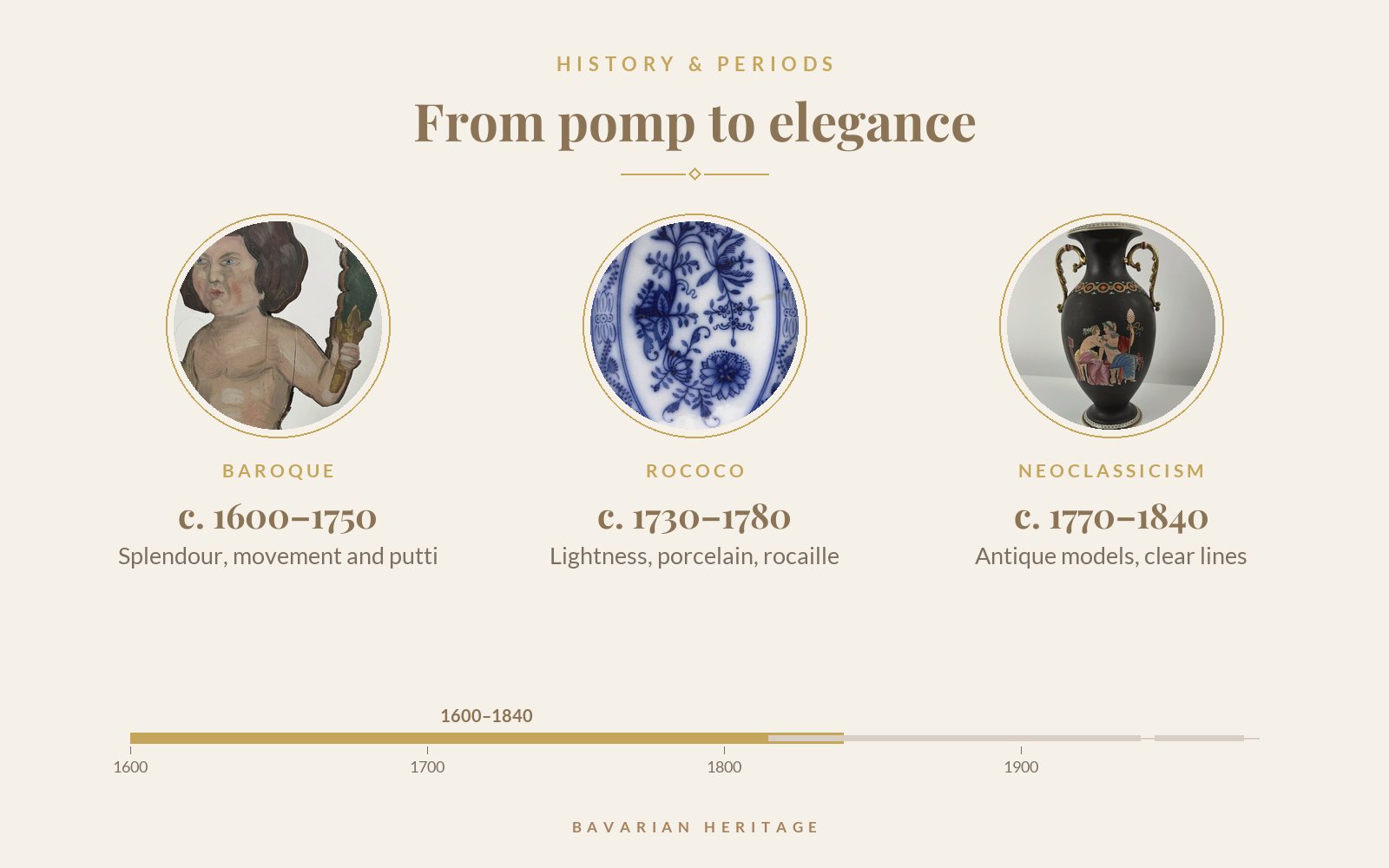
There is no Baroque or Rococo furniture in my shop. Yet the forms of these periods turn up all the time: as a putto on a carved candlestick, as a porcelain pattern from the 18th century, as a vase in the antique style. If you know the early periods, you will recognise them in much younger pieces too. Here is a short overview, with examples from my stock.
Baroque (c. 1600–1750): splendour and movement
The Baroque loves the grand: sweeping forms, strong contrasts, gold, rich carving. Typical are putti, small naked child angels sitting on altars, picture frames and furniture. In Bavaria, the Baroque still shapes countless churches and monasteries today.
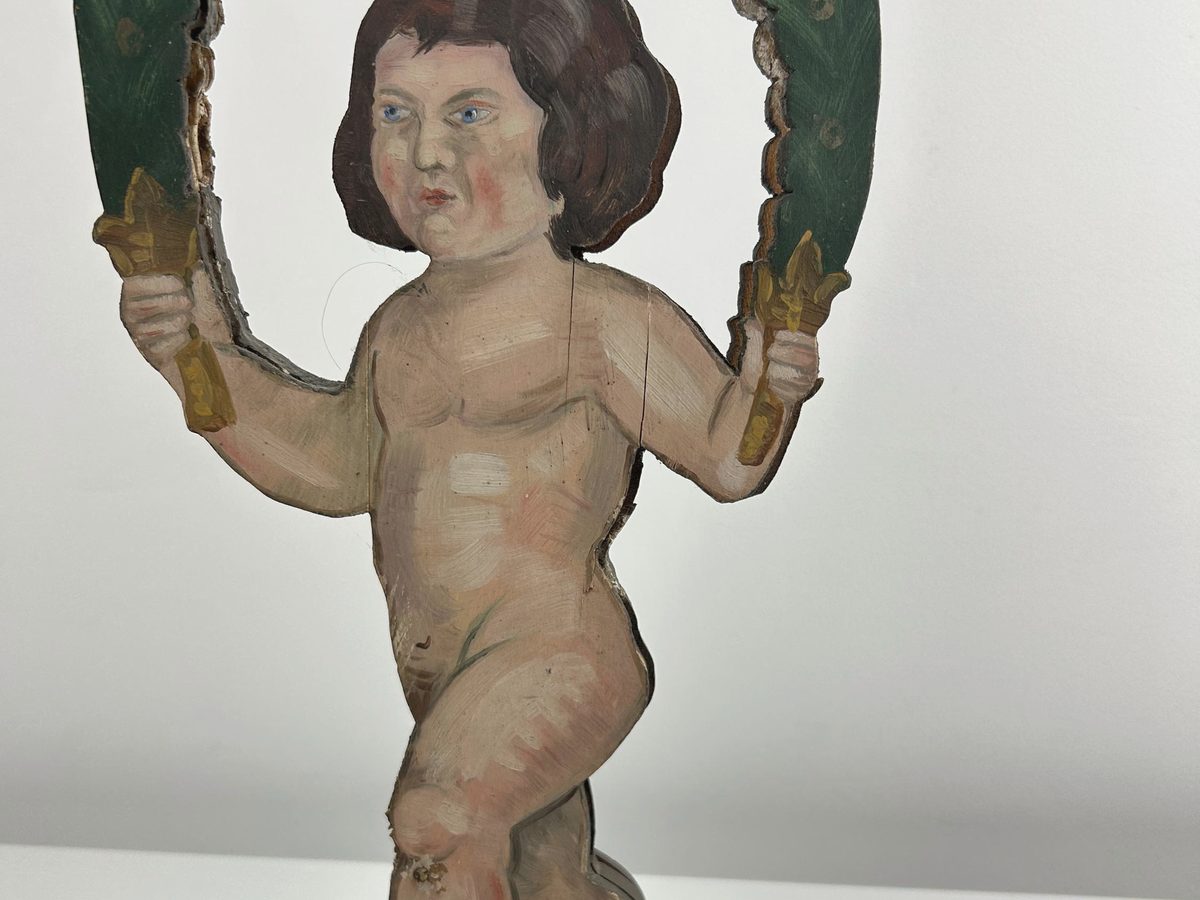
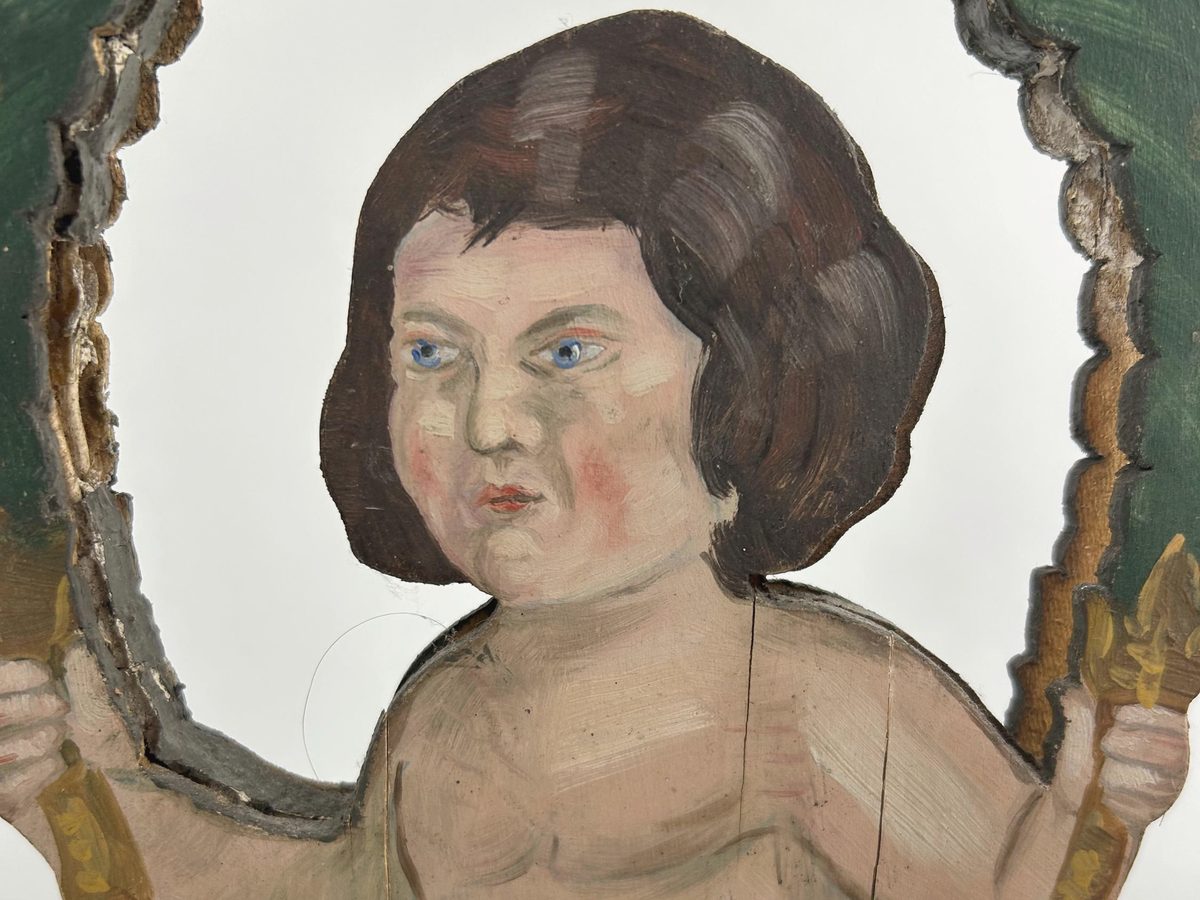
The putto long outlived the Baroque. On this carved and polychrome-painted wooden candlestick, it holds a wreath above its head. In style it belongs to the rustic folk art of the late 19th to early 20th century, but the motif comes from the Baroque.
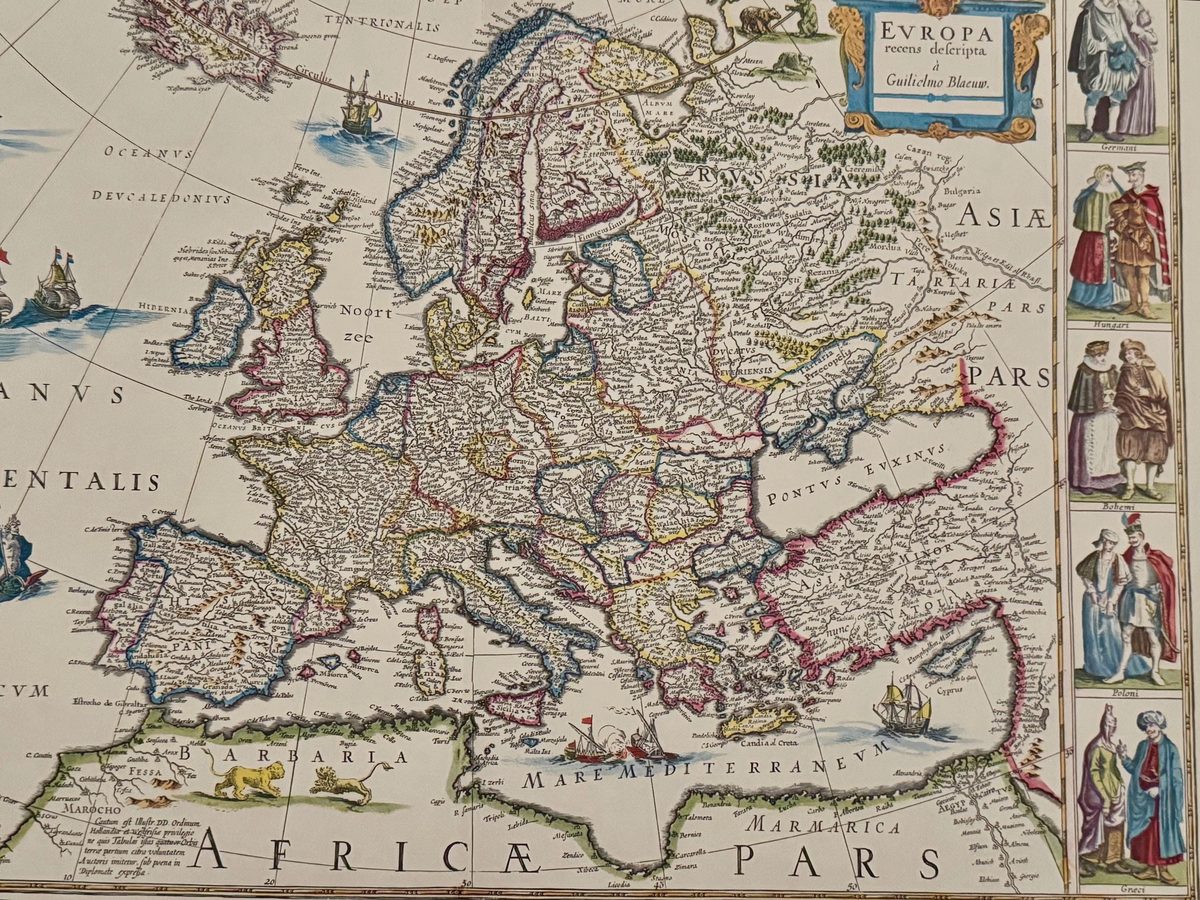
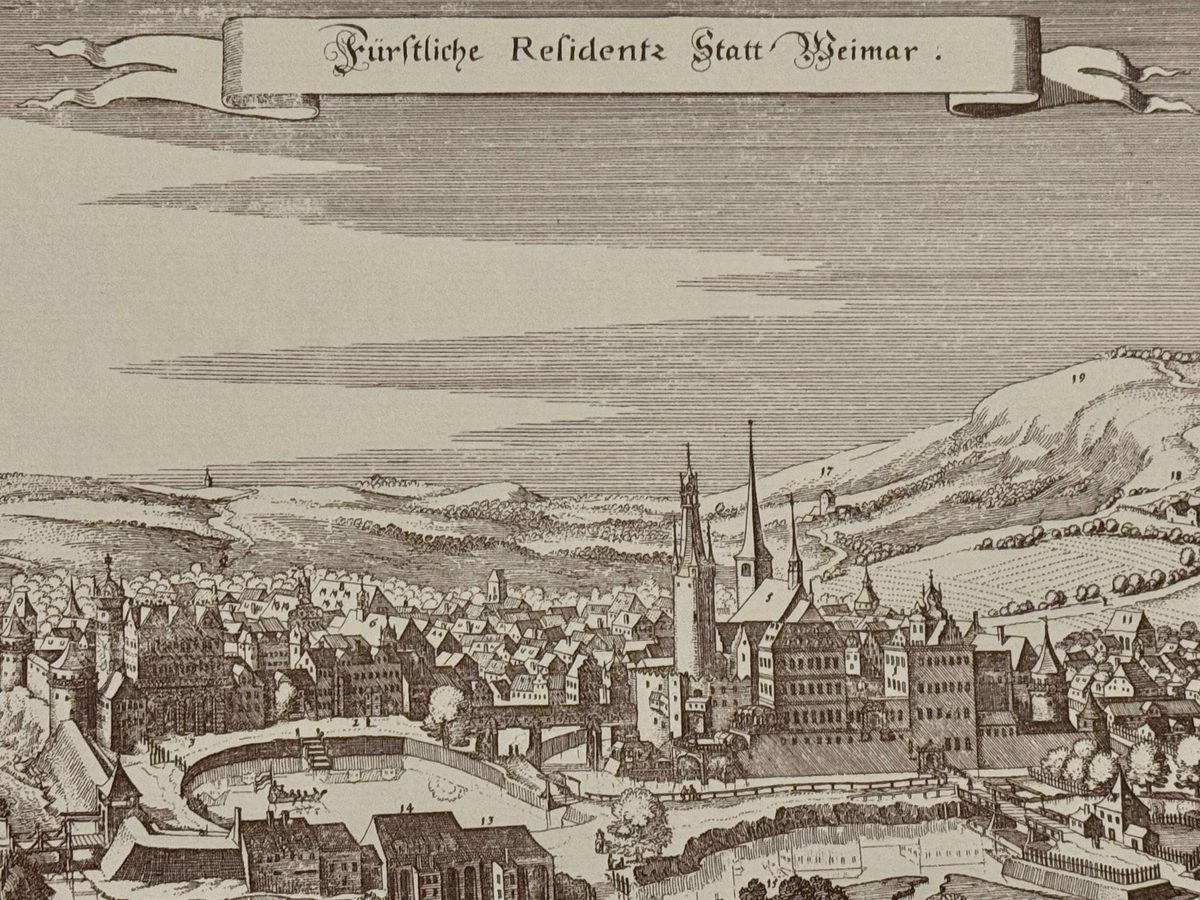
Maps and city views also show how people saw the world in the 17th century. The map of Europe after Willem Blaeu dates in its motif from 1630, the view of Weimar after Matthäus Merian from 1650. My maps after Blaeu are art prints from a later time: the motif is Baroque, the sheet is not.
Rococo (c. 1730–1780): lightness and porcelain
In the Rococo, everything becomes lighter. Instead of weight there is asymmetry, pastel tones, flowers and the typical shell-like ornament known as rocaille. A prime example stands in Upper Bavaria: the Wieskirche near Steingaden, built between 1745 and 1754.
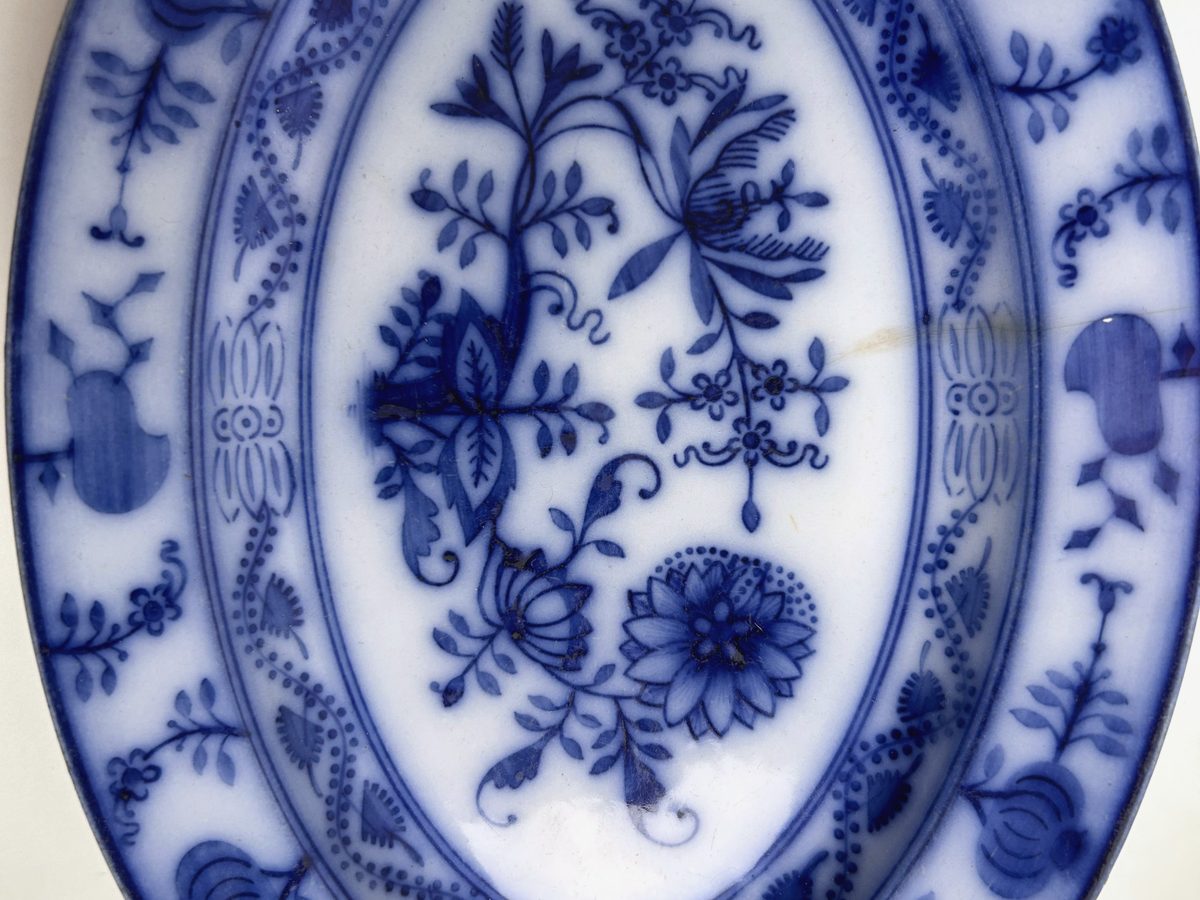
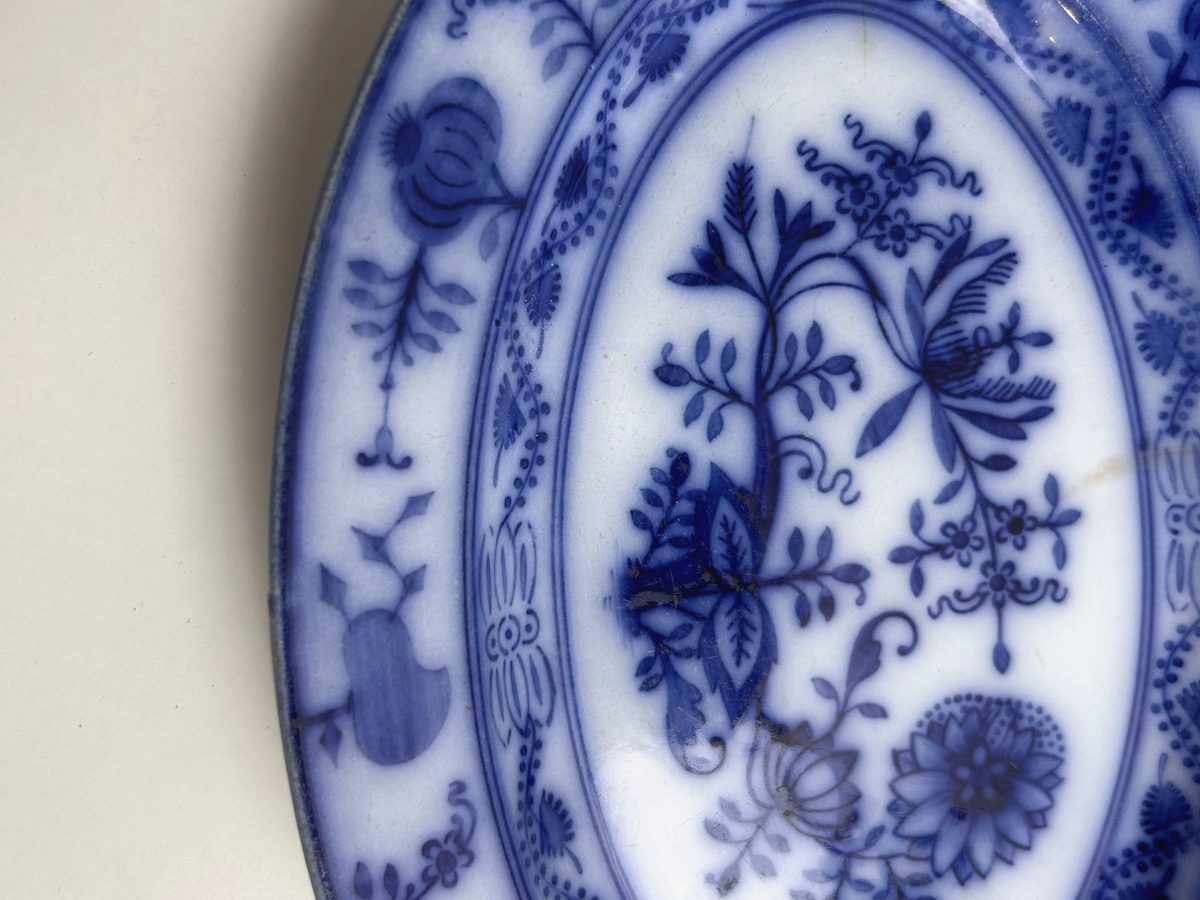
The Rococo is also the great age of European porcelain. Meissen was the first manufactory in Europe to make hard-paste porcelain, and in Bavaria the Nymphenburg porcelain manufactory was founded in 1747. Many patterns from this time are still used today. The onion pattern originated in Meissen in the 18th century and was later taken up by many makers. The oval platter by Villeroy & Boch from my shop shows a decoration in this manner.
Neoclassicism (c. 1770–1840): clear lines after antique models
As a reaction to the playfulness of the Rococo, Neoclassicism looks to antiquity: symmetry, columns, meanders, calm surfaces. In Munich you can read this at Königsplatz, where Leo von Klenze built the Glyptothek after the model of antique temples.
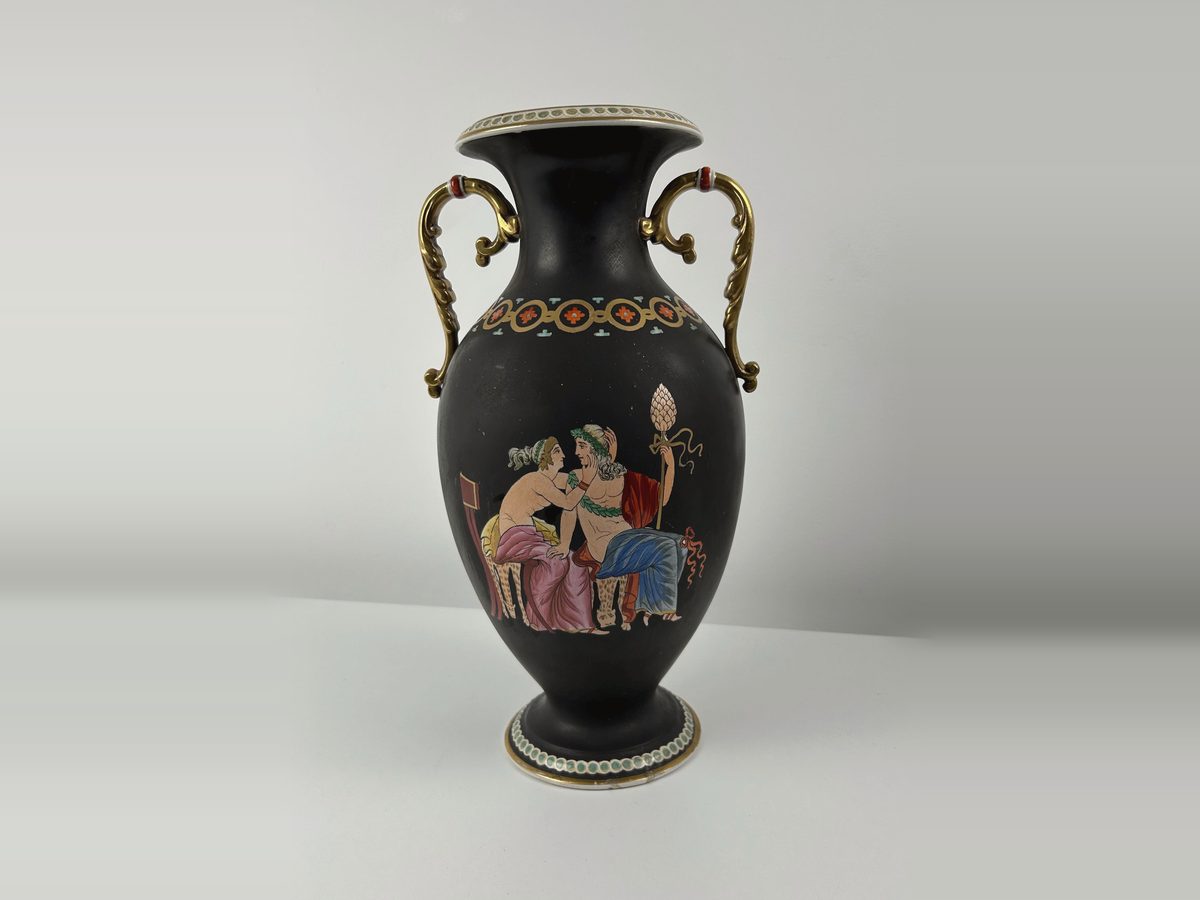
The love of antiquity runs right up to the present. This amphora in the neoclassical style shows a mythological scene on a matt black ground, entirely after Greek models.
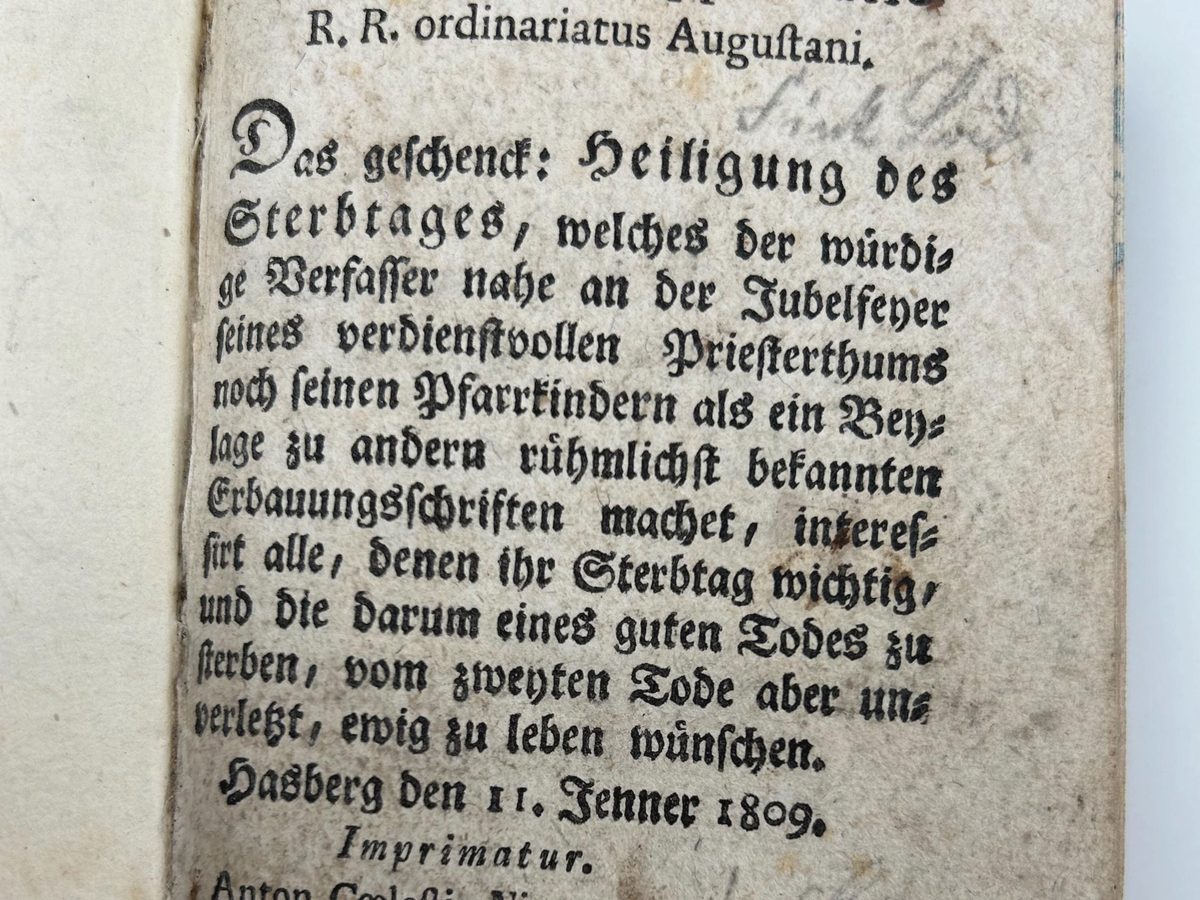
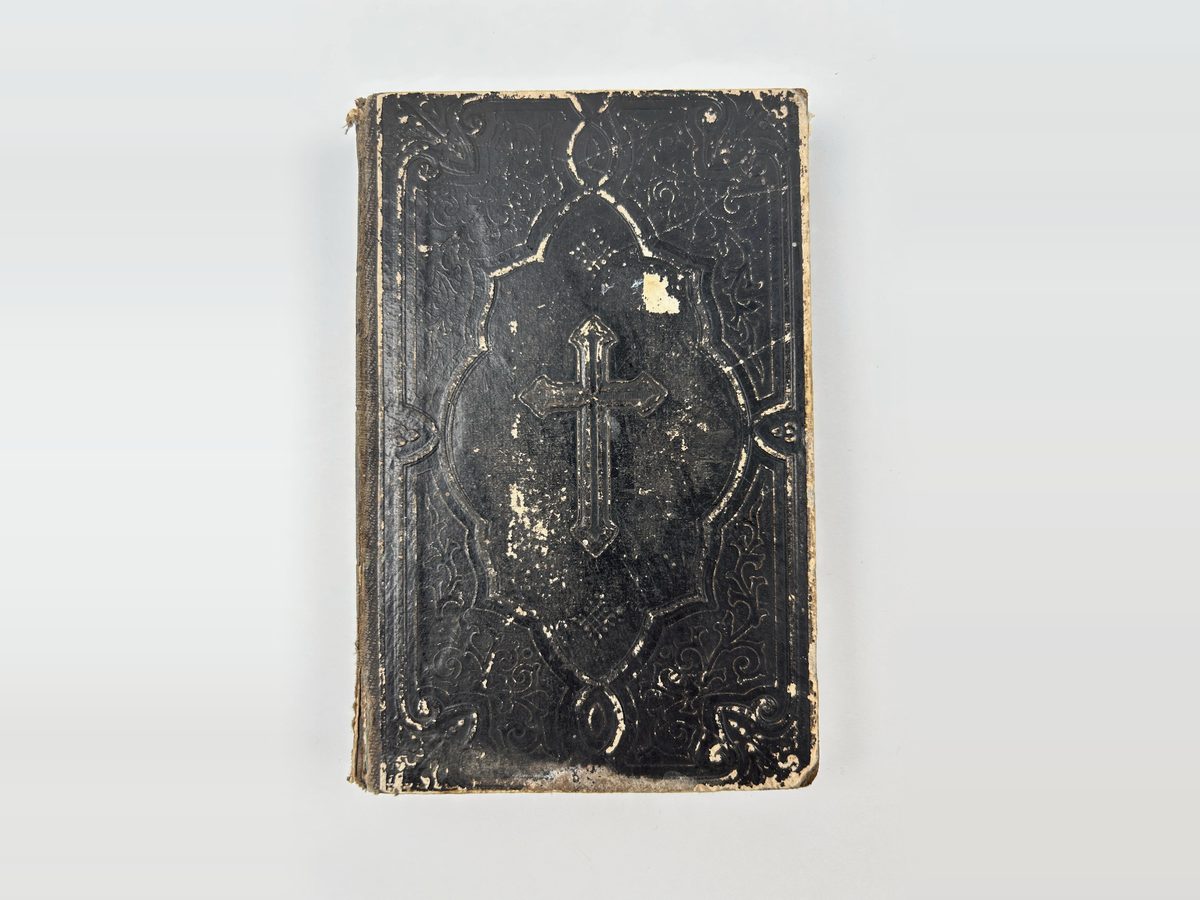
A genuine piece from this period, on the other hand, is the small devotional book “Das Geschenk: Heiligung des Sterbtages”. Its title page bears the permission to print: Haßberg, 11 January 1809.
Original or quotation?
All three periods were imitated again and again, above all in the 19th century. A stool “in the Baroque style” or a vase “in the neoclassical style” is therefore not automatically 250 years old. How to tell age and style apart is explained in my post What is the difference between antiques and vintage items?. The journey through the periods continues with The 19th century: bourgeois comfort and historical references.
Periods to take home
In the product overview and in the Bavarian Heritage Etsy shop you will find pieces in which these periods live on: porcelain, maps, books and folk art.