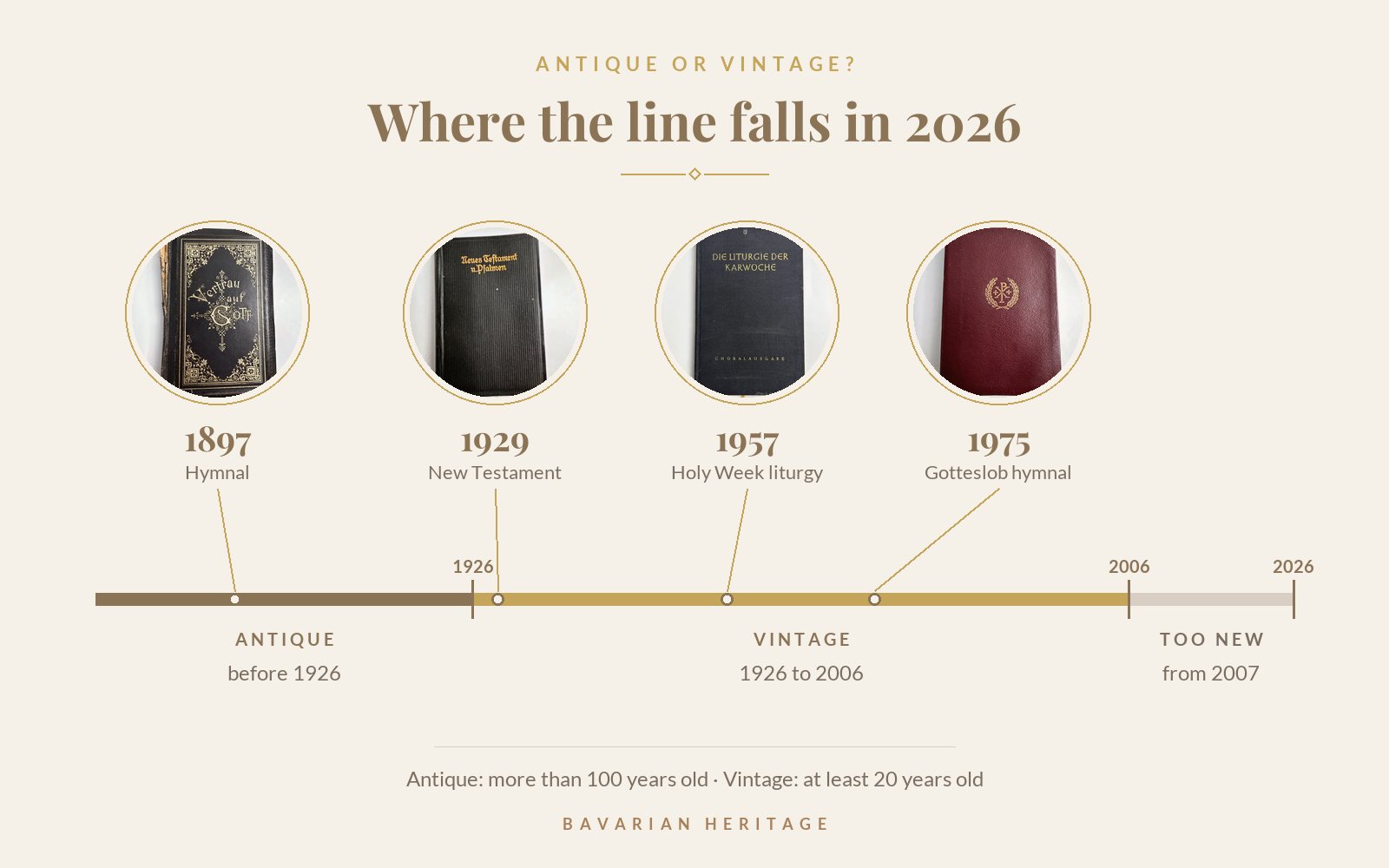
The short answer: an antique is more than 100 years old, a vintage piece at least 20 years. The long answer is sitting on my shelves. In my shop, books from 1897 stand next to books from 1975, and they show nicely where the line falls and why it moves a little further every year.
Antique: more than 100 years
There is no universally binding definition, but the 100-year threshold has become the standard. Customs tariffs, too, only count objects as antiques once they are more than 100 years old. For 2026 that means: anything made before 1926 may be called an antique.
The oldest book on the timeline above is a Protestant church hymnal for the consistorial district of Cassel (today’s Kassel). The cover reads “Vertrau auf Gott” (“Trust in God”) in gold lettering, and the title page gives the year: Cassel 1897. At 129 years old, it is clearly an antique.
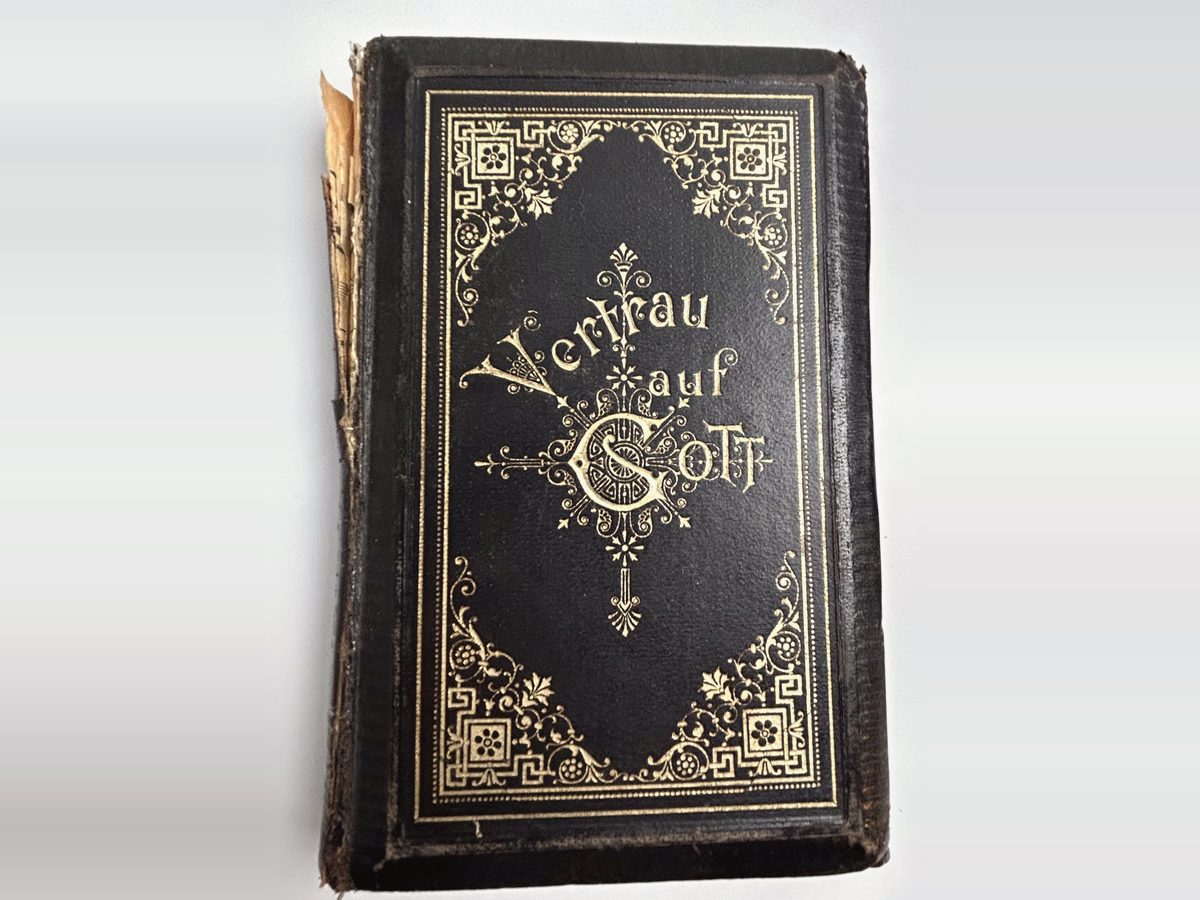
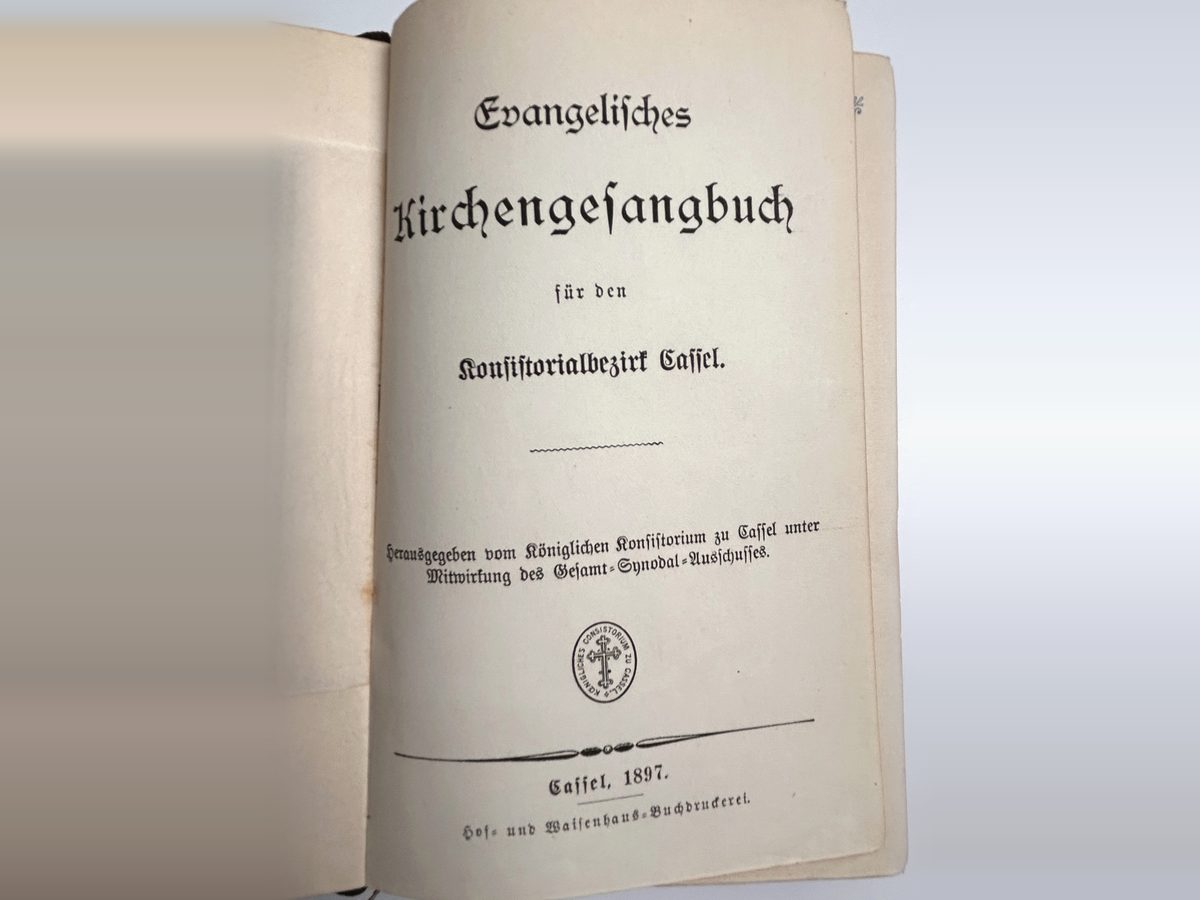
What matters is that the year is printed in the book. For many pieces, age is much harder to prove. More on that below.
Vintage: at least 20 years
There are even fewer fixed rules for vintage. The most widely used threshold comes from Etsy: vintage items must be at least 20 years old. In 2026 that means: made in 2006 or earlier.
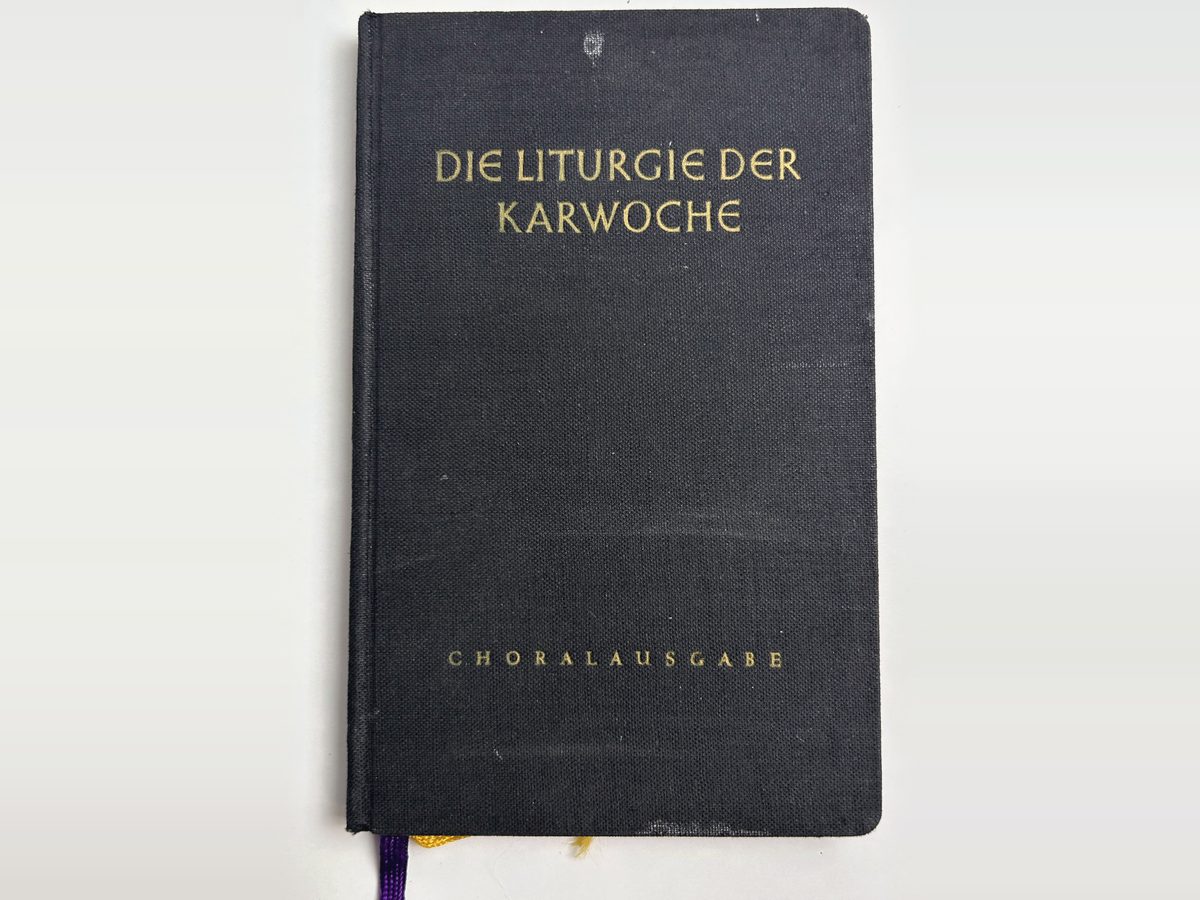
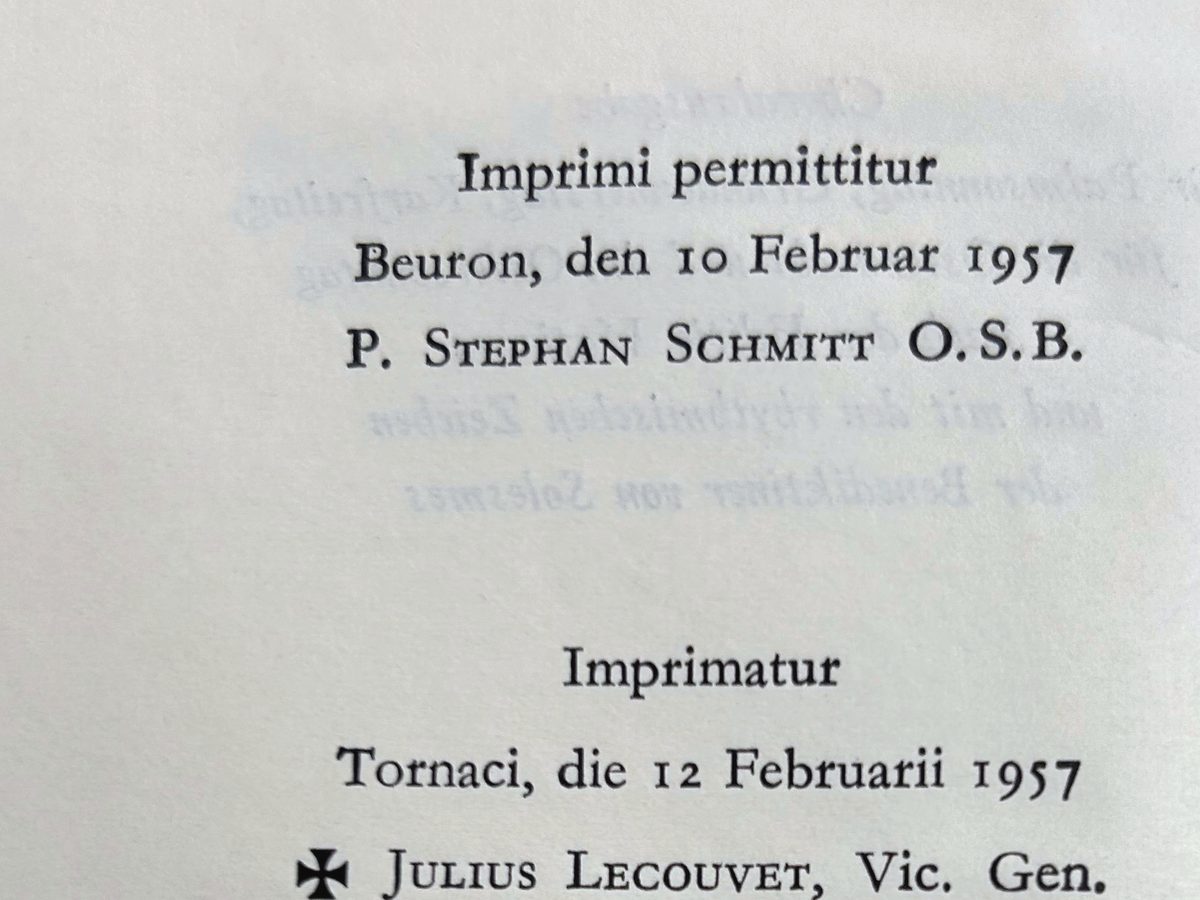
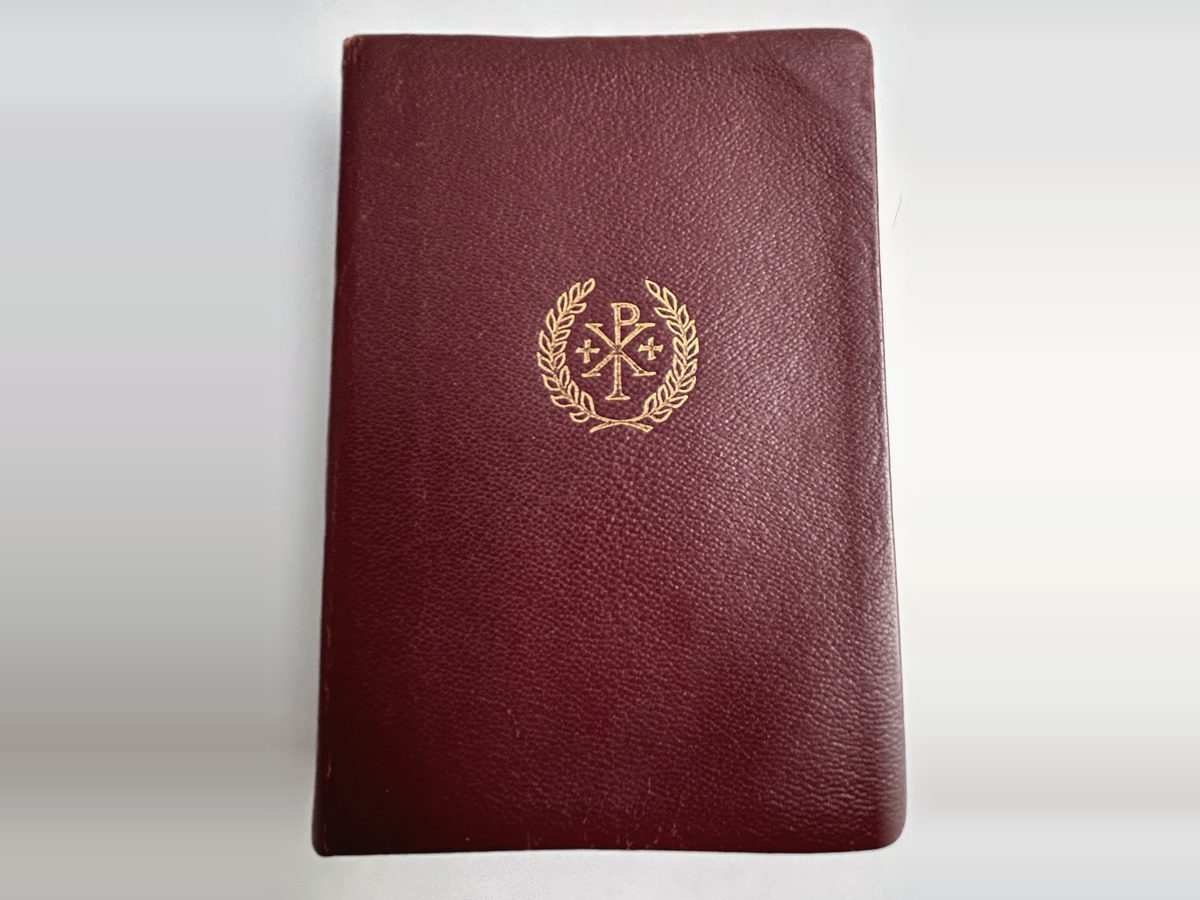
Two examples from my shop: “Die Liturgie der Karwoche”, a plainchant edition of the Holy Week liturgy based on Anselm Schott’s missals, with permission to print dated February 1957. And a “Gotteslob” hymnal with the supplement for the Archdiocese of Paderborn, whose foreword is dated 1975. Both are vintage, and both are still a long way from being antiques.
 View on Etsy ↗
 View on Etsy ↗
 View on Etsy ↗

The borderline case: a New Testament from 1929
It gets interesting with pieces just under 100 years old. This small New Testament with Psalms was printed in Berlin in 1929 by the British and Foreign Bible Society. Today it is 97 years old and therefore vintage. In a few years it will cross the 100-year line and count as an antique, without anything about it having changed.
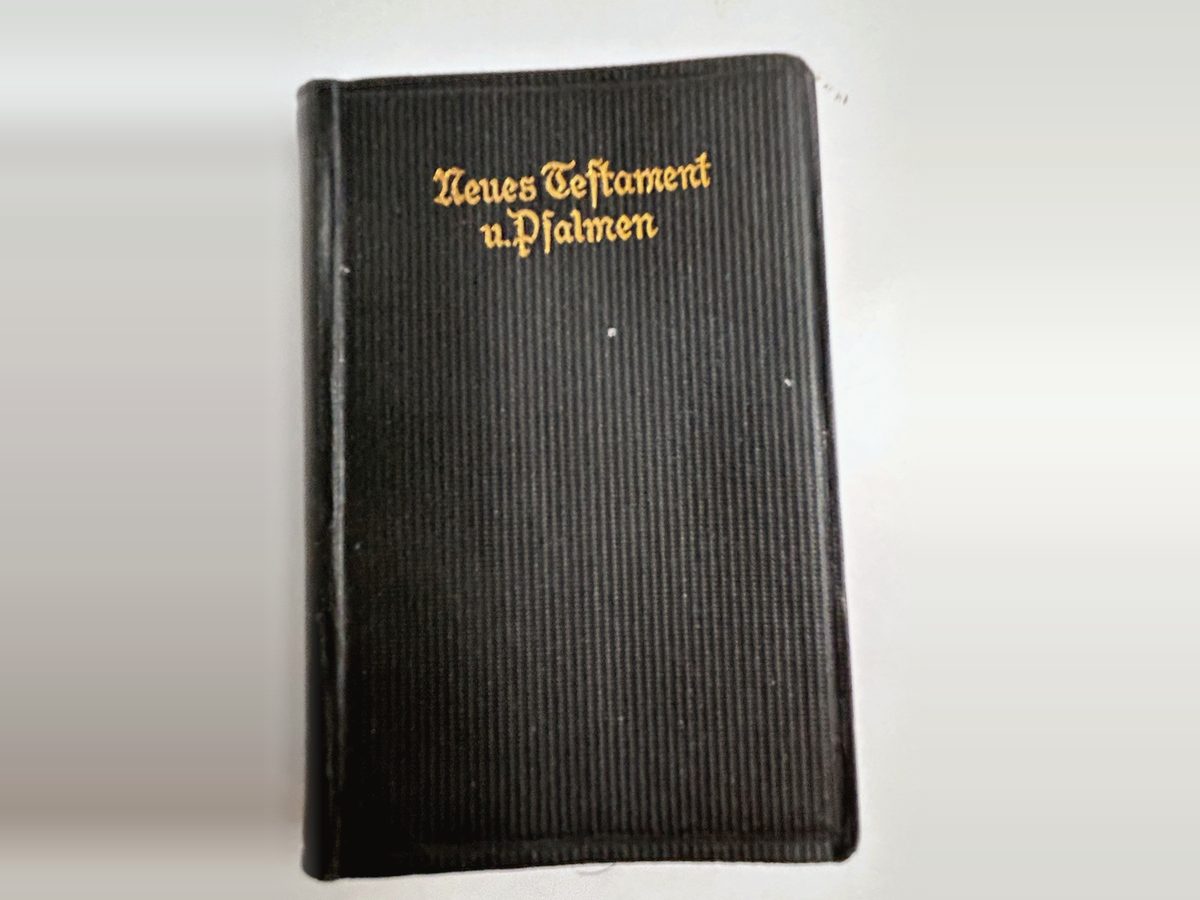
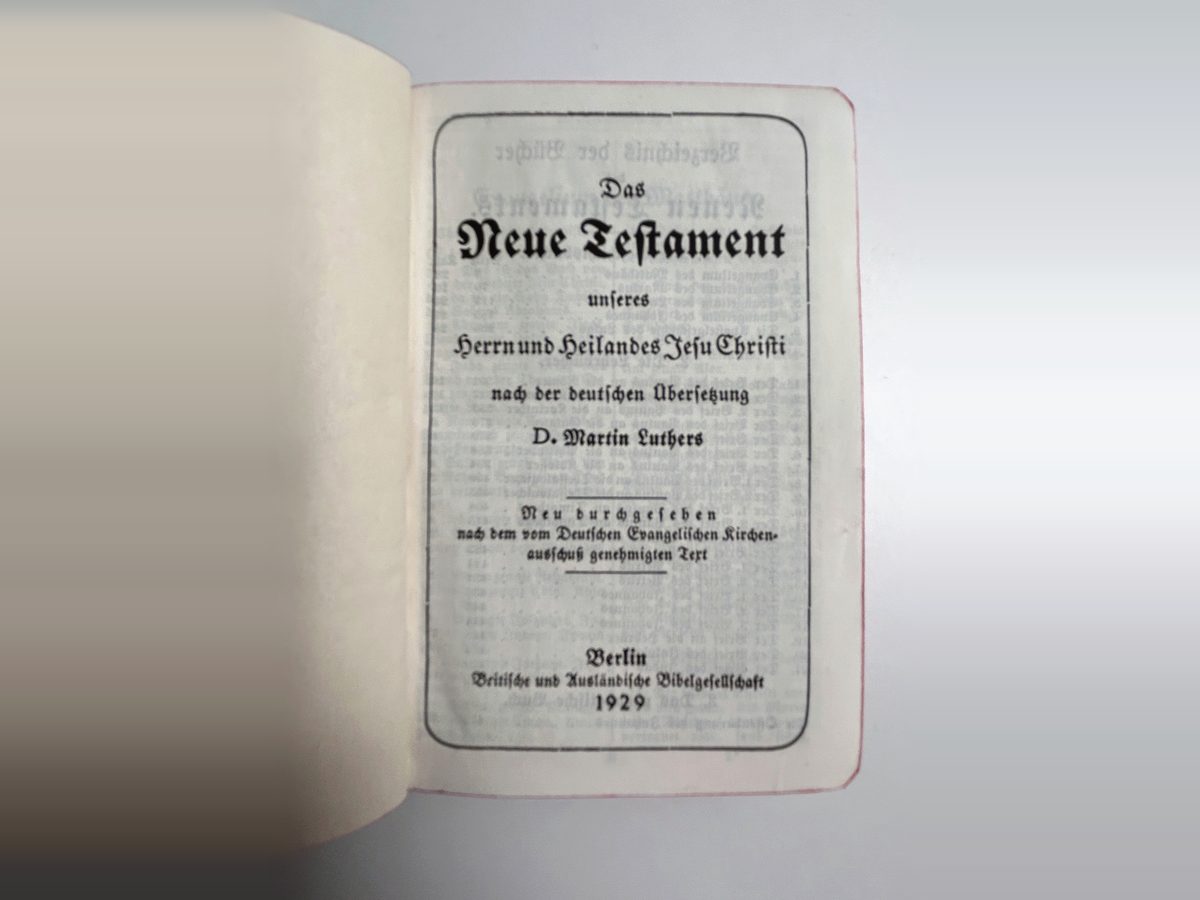
So the line moves along with time: what is vintage today will be an antique in a few years. And what is still too new today will become vintage one day.
The motif is old, the sheet is not
What counts is when a piece was made, not what it shows. My maps after Willem Blaeu are a good example. The motif of this map of Europe dates from 1630, but the sheet itself is a later art print. So it is not a 17th-century antique, even if the date suggests otherwise.

The same applies to replicas and pieces “in the style of”. How to recognise them is explained in my post How to distinguish fakes from genuine vintage products.
How I know an item’s age
Not every piece shows the year it was made as clearly as a book does. In my descriptions I therefore distinguish between documented and estimated:
- Documented means the age is on the piece itself: year of printing, permission to print, foreword, a dated mark. Or a detail narrows it down, such as an old price label with a four-digit German postcode.
- Estimated means only style, material and workmanship give clues. Then I name a decade or “before 2007” and add that the maker or age is not documented.
How to find such clues on the underside is shown in my post How to recognize valuable vintage items?
Antique does not automatically mean valuable
One last point, because the two are often confused: age tells you how a piece is classified, not what it is worth. A hymnal from 1897 is not automatically worth more than a well-preserved piece from the 1970s. Value depends on condition, maker, rarity and whether someone is looking for exactly this piece.
All the books and maps in this post come from my shop. In the product overview and in my Etsy shop you will find antiques and vintage pieces side by side.