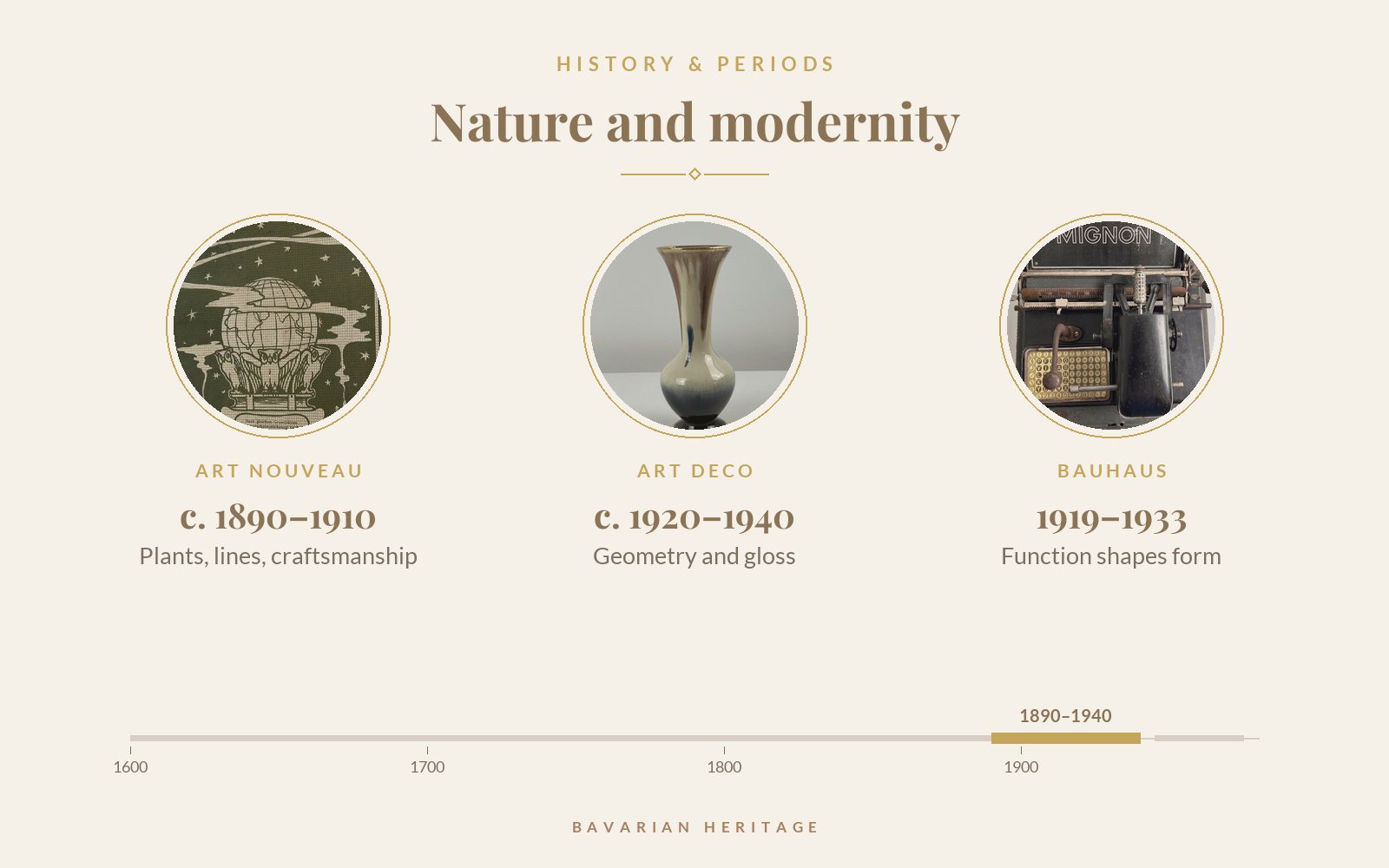
Around 1900, people have had enough of Historicism and its mix of styles. Artists and craftsmen look for a new language of their own. Within a few decades, three styles emerge that still shape our idea of modernity: Art Nouveau, Art Deco and the Bauhaus. Here I’ll show how to recognise them, with pieces from my shop.
Art Nouveau (c. 1890–1910): plants and flowing lines
Art Nouveau brings nature into design: tendrils, blossoms, water, sweeping lines. In German it is called Jugendstil, and it owes this name to Munich. From 1896 the magazine “Jugend” was published there, and the whole movement was named after it.
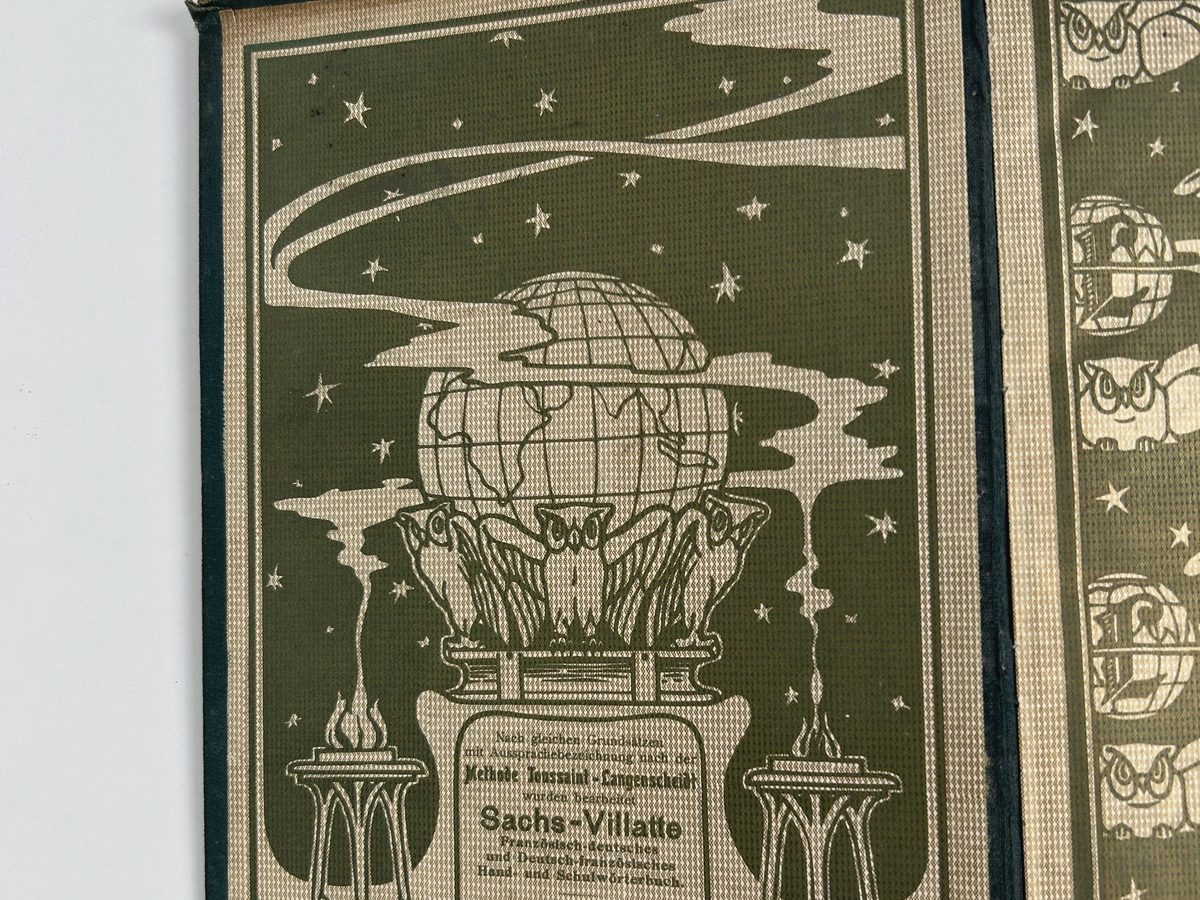
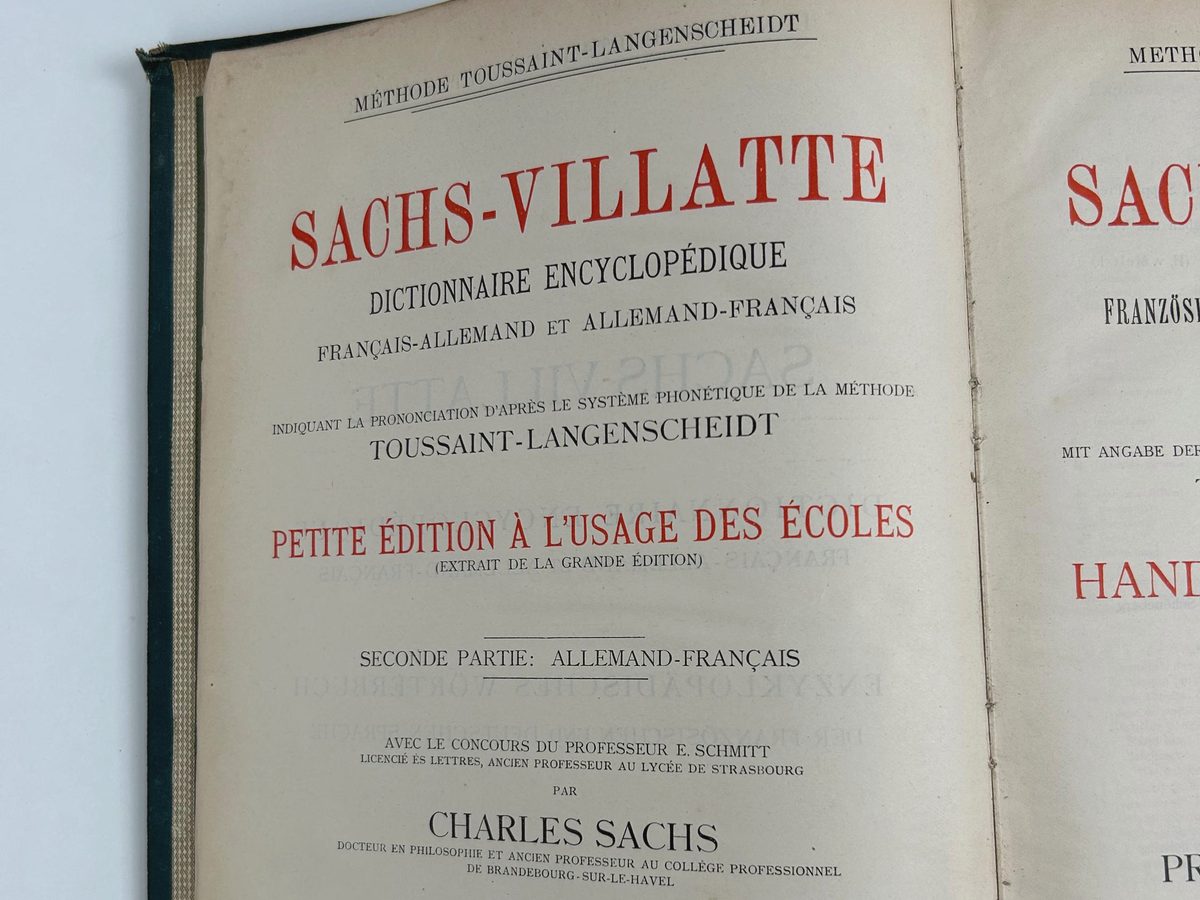
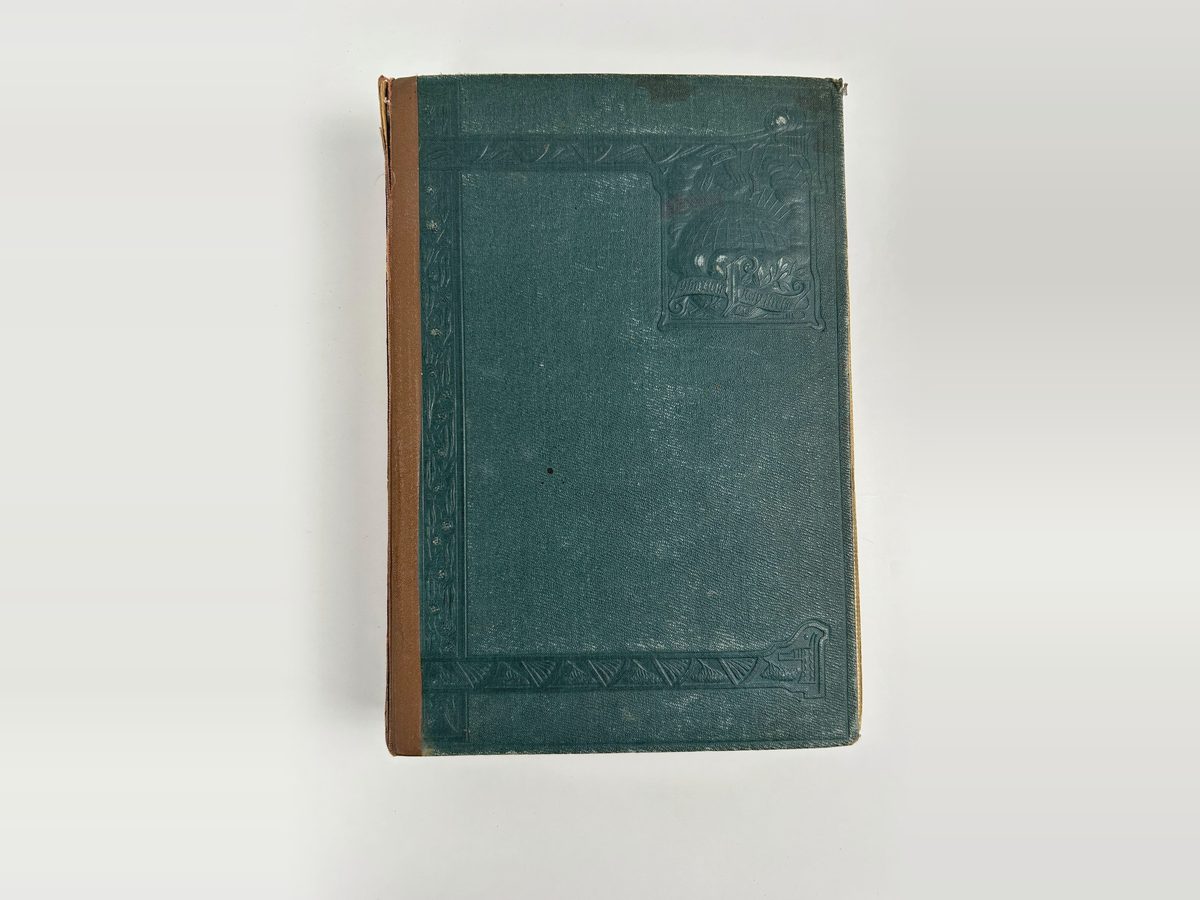
Books show Art Nouveau particularly beautifully. This Langenscheidt dictionary, the French-German “Sachs-Villatte” from around 1912, has endpapers with owls, a globe and a starry sky in green and white. The Luther pocket Bible from the Württemberg Bible Society, 1906, in my shop also has Art Nouveau endpapers.
 View on Etsy ↗
 View on Etsy ↗
 View on Etsy ↗
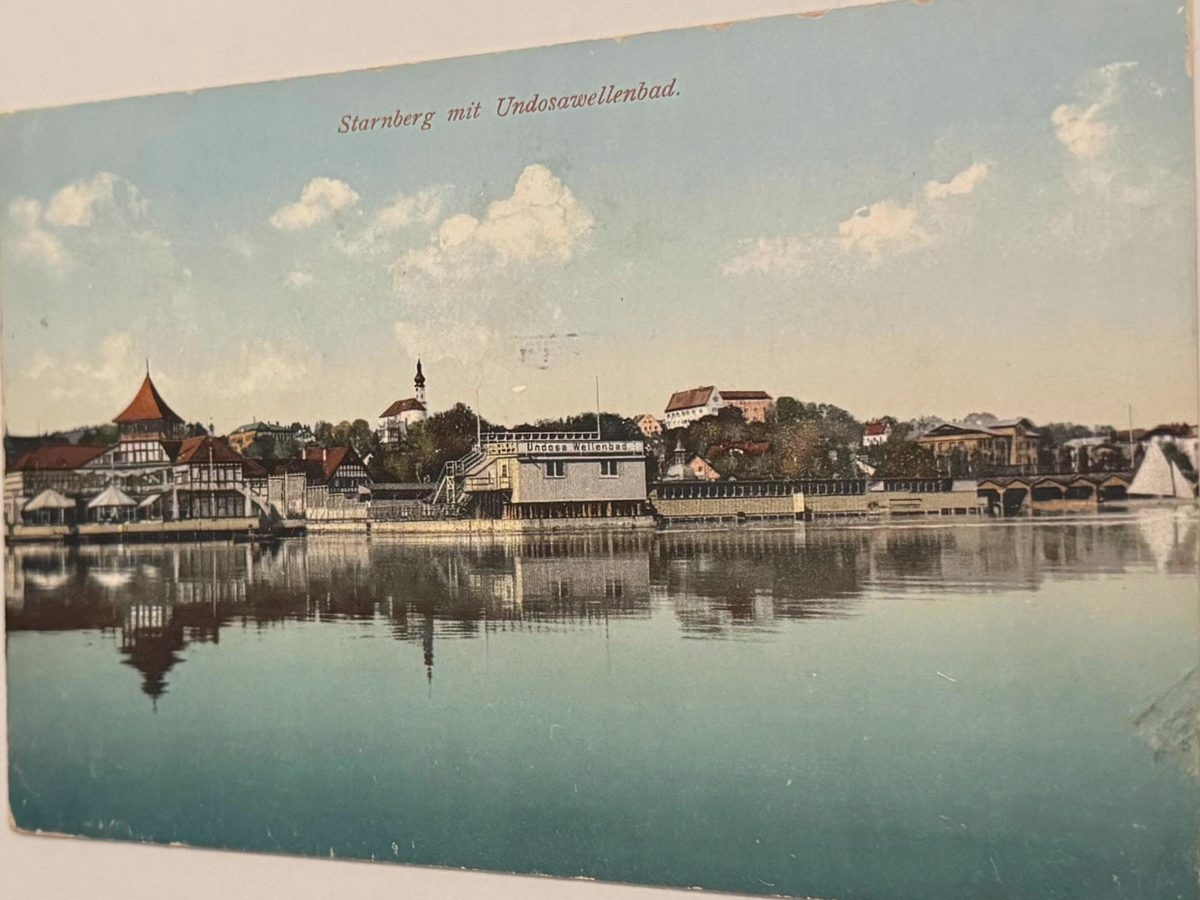
A piece of technical history from Lake Starnberg dates from the same time: the Undosa wave pool in Starnberg opened in 1905. This old postcard shows Starnberg with the wave pool, seen from the water.
Art Deco (c. 1920–1940): geometry and gloss
After the First World War, the line becomes tighter. Art Deco loves geometric forms, zigzags and fans, shiny materials and strong contrasts. It appears in furniture and buildings as well as in jewellery and vases.
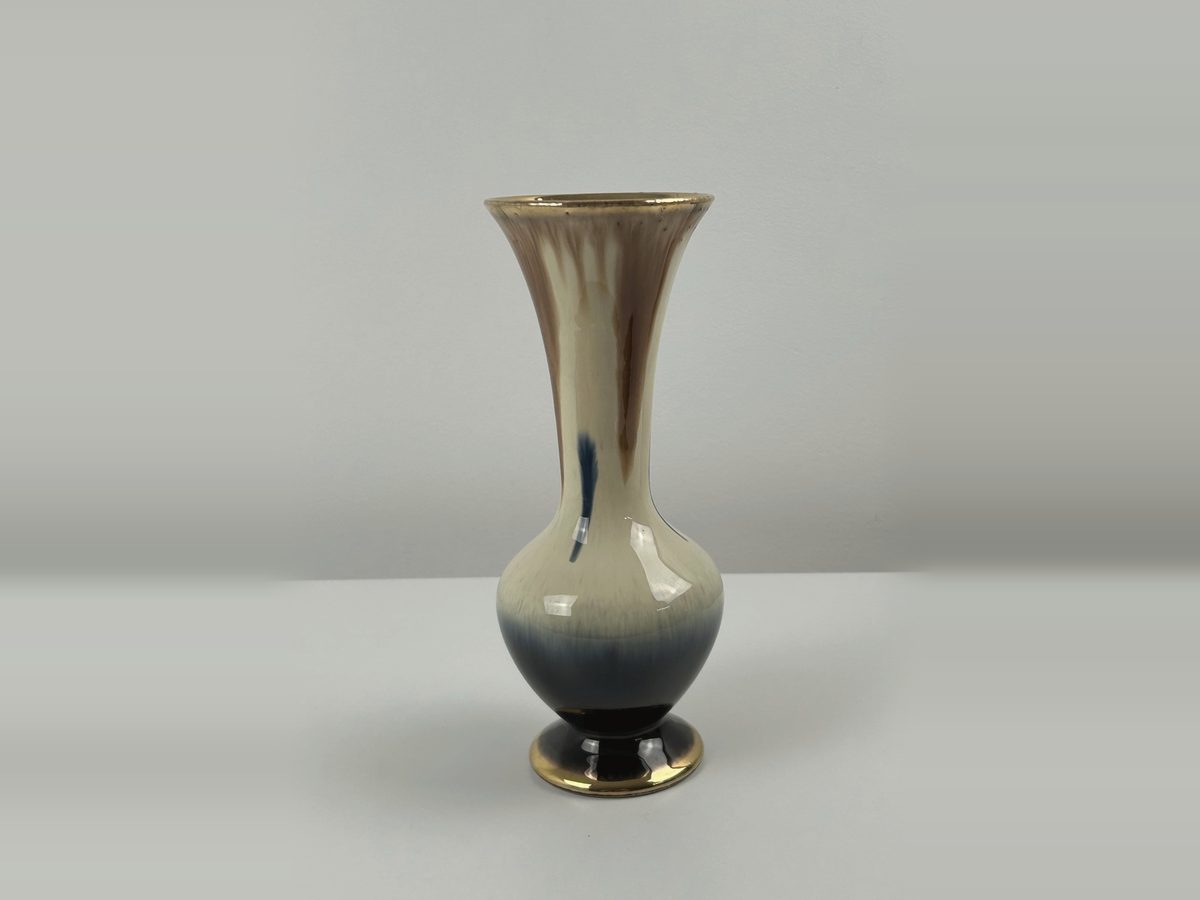
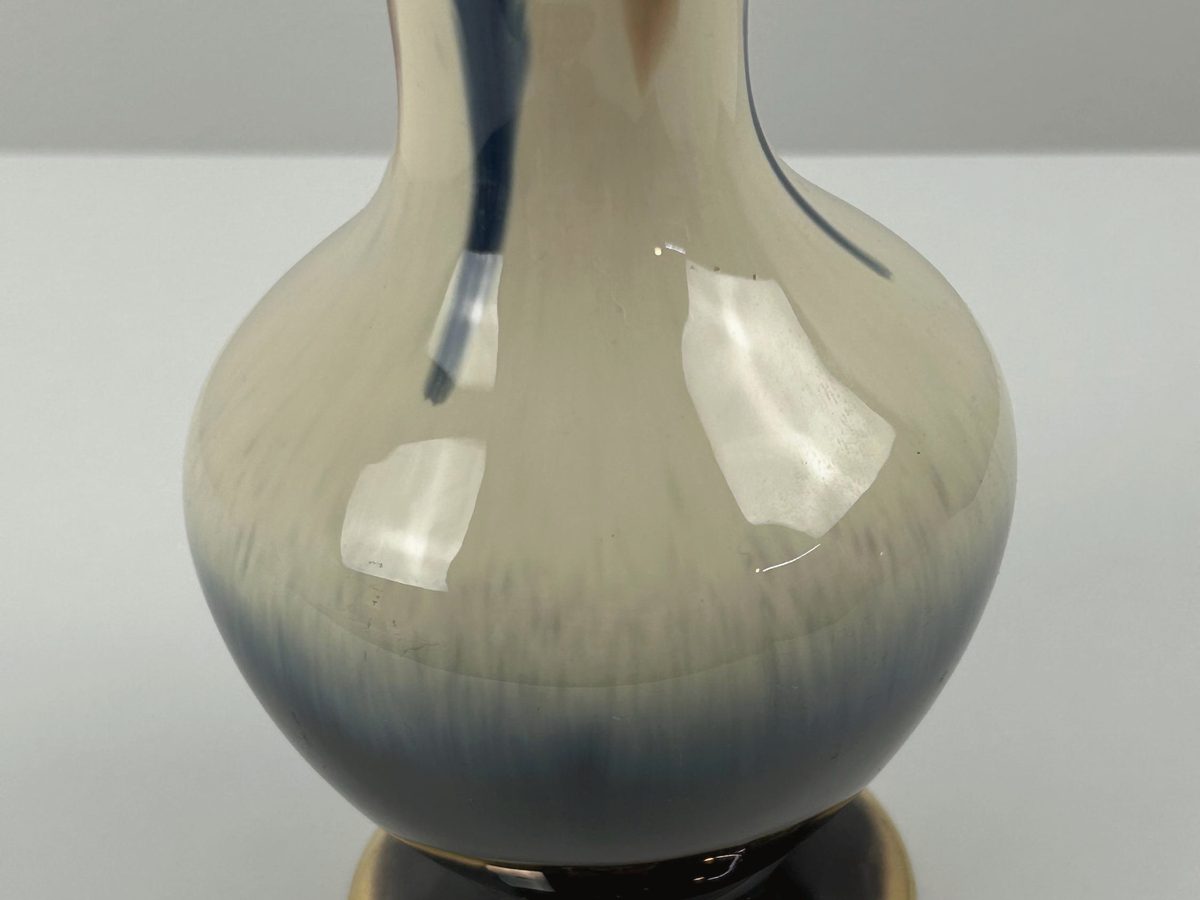
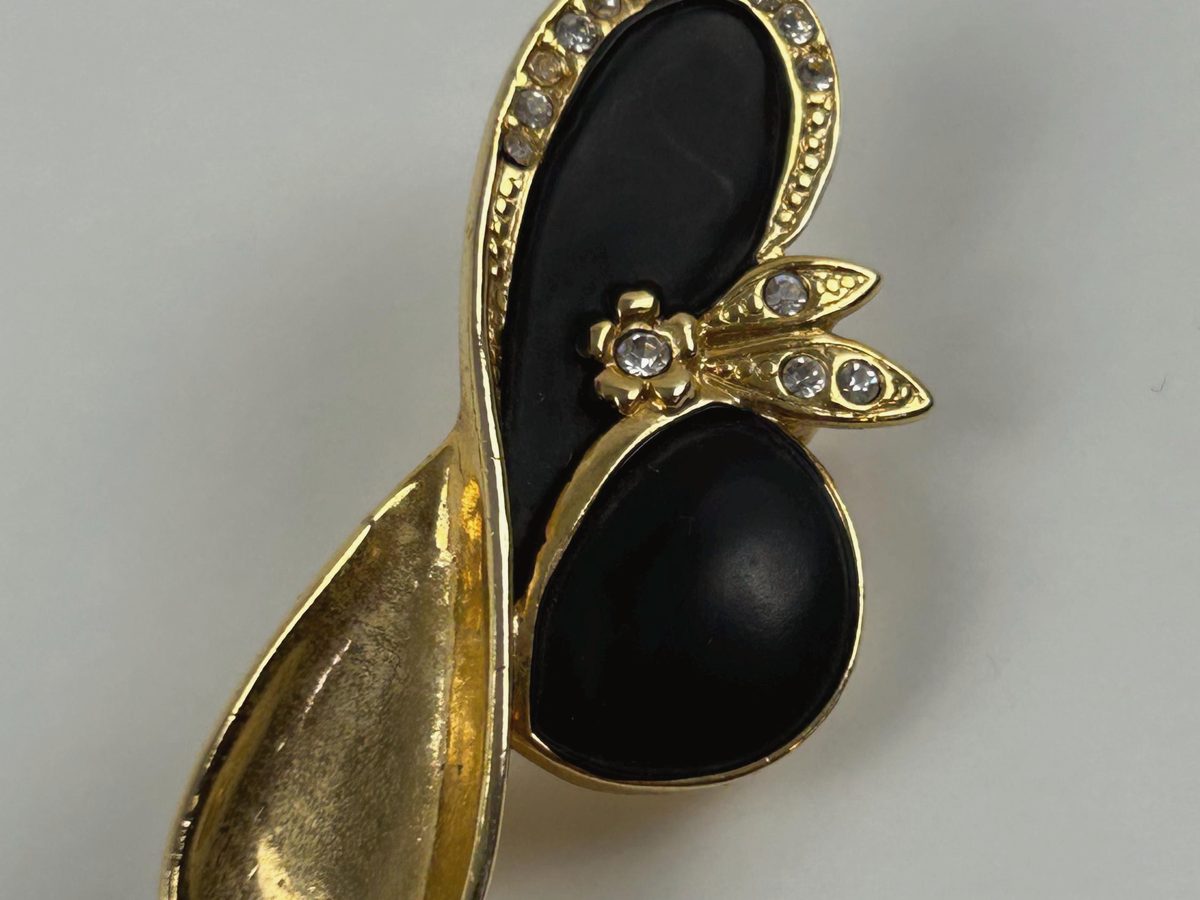
In my shop there are pieces in the Art Deco style, such as this slender porcelain vase with a gradient from cream white to navy blue, and a gold-coloured brooch with a black surface and small stones.
 View on Etsy ↗
 View on Etsy ↗
 View on Etsy ↗
Bauhaus (1919–1933): function shapes form
In 1919 Walter Gropius founded the Bauhaus in Weimar. In 1925 the school moved to Dessau, in 1932 to Berlin, and in 1933 it dissolved under pressure from the National Socialists. In just 14 years it changed how houses, furniture and everyday objects are designed: clear basic forms, tubular steel, glass, no ornament without a purpose.
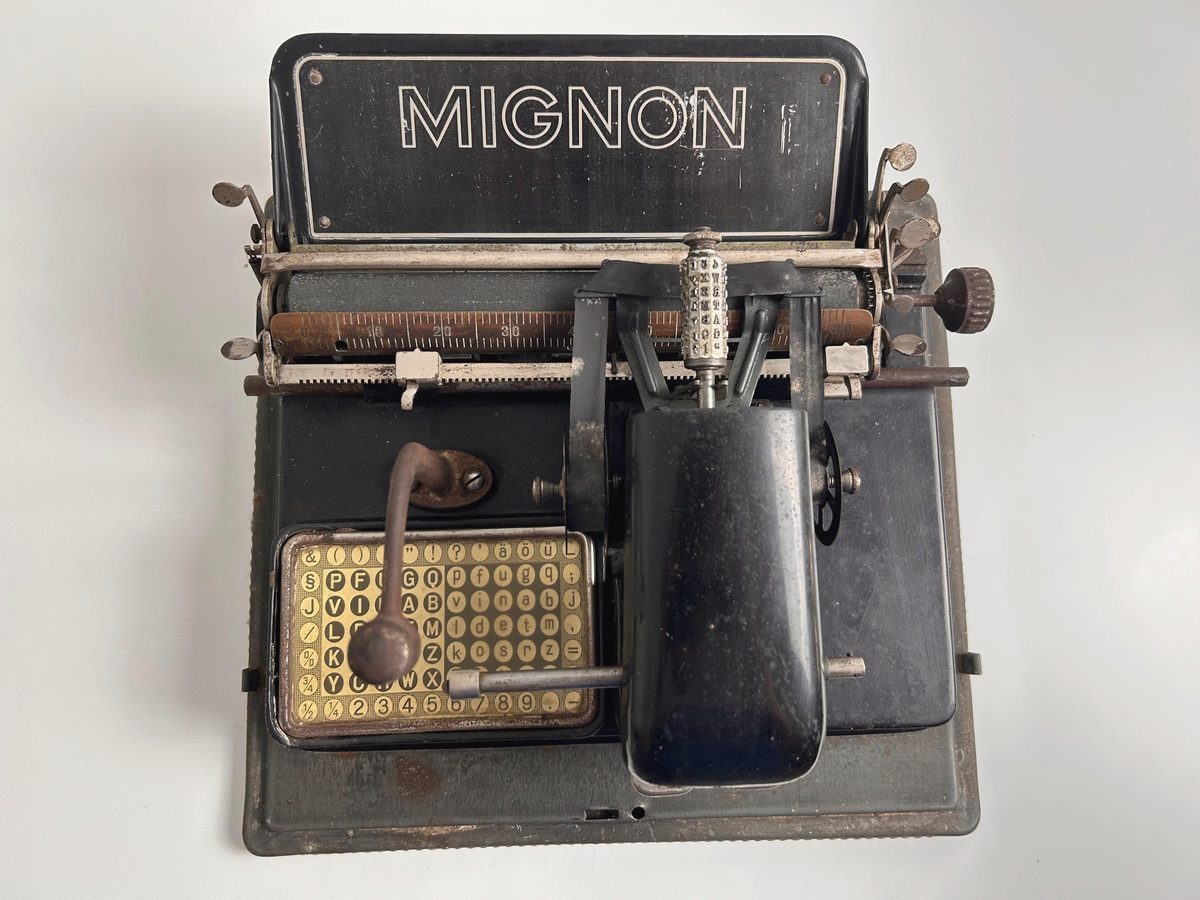
I have no originals from the Bauhaus workshops in my shop. But another piece shows how much function determined form in those years: the Mignon by AEG from the 1920s. It is an index typewriter: you select the letter with a pointer on a chart and then press a key. No decoration, just mechanics. To be honest, this example is damaged and no longer works, but as a collector’s piece it still says a lot about its time.
What came next
What followed after 1945, from Mid-Century to Space Age, is in my post Modernism: Functionality and Humanity. The period before is described in The 19th century: bourgeois comfort and historical references.
Finds from this period
Books, postcards and pieces in the Art Nouveau and Art Deco styles are in the product overview and in the Bavarian Heritage Etsy shop.